


Effective volunteer scheduling is essential for maximizing the impact of volunteer efforts across various organizations. Whether you're managing a non-profit, a community organization, or a church, having a streamlined scheduling process can significantly enhance volunteer engagement and overall operational efficiency. In this comprehensive guide, we will explore the importance of volunteer scheduling, outline how to structure a volunteer program, provide step-by-step instructions for creating a schedule, and discuss tools and best practices that can help you manage your volunteers effectively.
What is Volunteer Scheduling?
Volunteer scheduling refers to the process of organizing and managing the time and availability of volunteers to ensure that tasks and responsibilities are met efficiently. This process is crucial for the success of any organization that relies on volunteers, such as non-profits, churches, and community organizations.
The importance of volunteer scheduling can be summarized as follows:
- Resource Management: Efficient scheduling helps allocate resources effectively, ensuring that the right number of volunteers are available for specific tasks. According to Schedly, organizations that use automated volunteer management systems report saving 10-15 hours per week on scheduling tasks alone.
- Engagement: A well-structured schedule keeps volunteers engaged and motivated, as they can see their contributions making a difference. Neon One emphasizes that allowing volunteers to self-schedule based on their availability not only empowers them but also increases accountability.
- Accountability: Scheduling not only helps in tracking volunteer hours but also ensures accountability in fulfilling commitments.
In the context of churches, using a church volunteer scheduling app can simplify this process, allowing for better communication and organization of volunteer activities. These apps often include features such as automated reminders and calendar integrations, which can help volunteers stay informed about their commitments.
Additionally, organizations can benefit from implementing a volunteer management system that allows for easy tracking of volunteer skills and preferences. This ensures that volunteers are matched with tasks that best suit their abilities, enhancing both their experience and the effectiveness of the organization.
How to Structure a Volunteer Program?
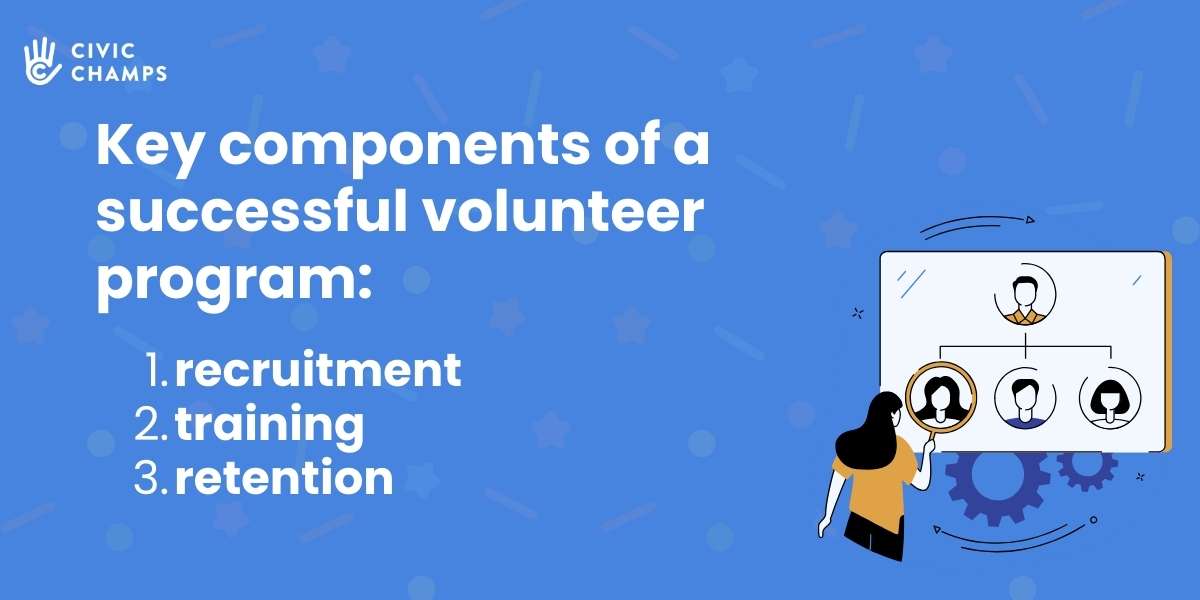
Creating a successful volunteer program involves several key components:
- Recruitment: Attracting the right volunteers who align with your organization's mission. Utilizing multiple marketing channels, such as email, social media, and your website, can help reach a broader audience. (aact.org)
- Training: Providing adequate training to ensure volunteers are equipped to perform their tasks effectively. Incorporating hands-on training sessions can help volunteers feel more prepared and confident in their roles.
- Retention: Implementing strategies to keep volunteers engaged and committed. Recognizing volunteer contributions through appreciation events or awards can foster loyalty and encourage continued involvement. (indyhunger.org)
Volunteer scheduling best practices play a critical role in maintaining an organized program. By establishing clear expectations and providing flexible scheduling options, organizations can foster a positive environment that encourages volunteer participation.
To enhance your recruitment efforts, consider leveraging social media platforms and community outreach initiatives. Engaging storytelling about your organization's mission can resonate with potential volunteers and motivate them to get involved. Additionally, hosting informational sessions can provide a platform for interested individuals to learn more about your organization and the impact they can make.
Training is another vital aspect of structuring your volunteer program. Developing a comprehensive training manual that outlines the roles and responsibilities of volunteers can be beneficial. Incorporating hands-on training sessions can also help volunteers feel more prepared and confident in their roles. Regular check-ins and feedback sessions can further enhance their experience and ensure they feel valued.
Retention strategies are essential for maintaining a committed volunteer base. Recognizing volunteer contributions through appreciation events or awards can foster loyalty and encourage continued involvement. Creating a sense of community among volunteers through team-building activities can also enhance their commitment to the organization. In addition, ensure volunteers have an easy way to provide reflections or feedback so any issues can be quickly addressed (or wins can be celebrated).
Moreover, utilizing a volunteer scheduling tool can streamline the scheduling process. These tools often come equipped with features that allow volunteers to self-schedule based on their availability, making it easier for them to participate. Additionally, these tools can provide insights into volunteer engagement levels, helping organizations identify trends and areas for improvement. Modern scheduling systems provide instant visibility into volunteer availability and commitments across all programs and locations, reducing confusion and preventing double bookings.
Incorporating technology into your volunteer program can also improve communication. Tools that facilitate instant messaging or group chats can help keep volunteers informed about last-minute changes or updates. This level of communication ensures that volunteers feel connected and engaged, ultimately leading to higher retention rates.
Lastly, consider evaluating your volunteer program regularly. Gathering feedback from volunteers about their experiences can provide valuable insights into what is working and what may need adjustment. This iterative process can help ensure that your volunteer program continues to evolve and meet the needs of both the organization and its volunteers.
By focusing on these components and best practices, organizations can create a robust volunteer program that not only meets operational needs but also fosters a fulfilling experience for volunteers. This, in turn, can lead to increased volunteer satisfaction and a greater impact within the community.
How to Set Up a Volunteer Schedule?
Creating an effective volunteer schedule involves several key steps:
- Assess Volunteer Availability: Gather information on when volunteers are available to work. Consider using surveys or scheduling tools that allow volunteers to indicate their preferred times, which can help in creating a more accommodating schedule.
- Define Roles and Responsibilities: Clearly outline what tasks need to be accomplished and who will be responsible for them. This can include creating detailed descriptions for each role, which not only helps volunteers understand their commitments but also aids in accountability.
- Create a Schedule: Use volunteer scheduling templates or software to lay out the schedule. Many scheduling tools offer features that allow for easy adjustments and notifications, ensuring that any changes can be communicated promptly to volunteers.
- Communicate the Schedule: Share the schedule with volunteers and ensure they understand their commitments. Regular check-ins can also foster a sense of community and keep everyone informed about any updates or changes.
When accommodating different volunteer availability and preferences, it is essential to be flexible and open to adjustments. This adaptability can significantly enhance volunteer satisfaction and retention. Additionally, consider implementing a feedback loop where volunteers can share their experiences regarding the scheduling process, which can help in future planning.
What is the Easiest Way to Track Volunteer Hours?
Tracking volunteer hours is vital for accountability and reporting purposes. Here are various methods for tracking hours:
- Manual Tracking: Using spreadsheets or paper logs to record hours worked. While this method can be straightforward, it may become cumbersome as the number of volunteers increases.
- Automated Systems: Implementing software solutions that automatically track hours. Many of these systems can integrate with scheduling tools, allowing for seamless updates and reducing the risk of errors.
Utilizing scheduling and time tracking tools can streamline this process, reducing administrative burdens and improving accuracy. For example, some platforms allow volunteers to check in and out via mobile apps, which can enhance engagement and ensure accurate tracking.
Additional Methods for Tracking Volunteer Hours
In addition to the aforementioned methods, consider the following approaches:
- Mobile Apps: Many volunteer organizations benefit from mobile applications that allow volunteers to log hours on-the-go. This can be particularly useful for events or activities that require immediate hour logging.
- Digital Time Clocks or Kiosks: Some organizations opt for digital time clocks that volunteers can use to clock in and out. This method can provide a physical record of hours worked and can be particularly effective in environments where volunteers are present on-site.
- Integration with Project Management Tools: If your organization uses project management software, check if it includes time tracking features. This integration can help keep all project-related information in one place, making it easier to manage volunteer contributions.
What is the Free Software to Track Volunteer Hours?
There are several free software options available for tracking volunteer hours, including:
- Track It Forward: Allows volunteers to log their hours easily and provides reports. This platform also features a dashboard for administrators to monitor volunteer engagement and track participation trends. Note that while Track It Forward is a paid app, they have a great free trial.
- Timecounts: A comprehensive tool that includes scheduling and tracking functionalities. This software can also facilitate communication between volunteers and coordinators, making it easier to manage schedules and track volunteer hours effectively. The free version is limited to logging time, so the paid version may be more appropriate for organizations with robust tracking needs.
- Clockify: Offers a free time tracking app suitable for nonprofits, allowing unlimited users to track time across various projects and tasks. It includes features like reporting, project management, and integrations with other tools.
Additionally, consider exploring open-source volunteer management systems that allow for customization based on your organization’s specific needs. These systems often come with community support and can be tailored to fit unique tracking requirements.
Moreover, as organizations grow, investing in more robust systems may become necessary. Transitioning to paid solutions that offer advanced features like analytics, reporting, and enhanced user interfaces can provide significant long-term benefits, ensuring that volunteer management remains efficient and effective. Comprehensive tools like Civic Champs offer the key benefit of connecting scheduling with hour tracking all in one spot, saving time and effort on the part of your team and your volunteers.
Using Google Suite to Manage Volunteer Scheduling
How to Create a Google Volunteer Form?
Creating a Google Form for volunteer sign-ups is straightforward. Follow these steps:
- Open Google Forms: Navigate to Google Forms and create a new form.
- Customize the Form: Add fields for necessary information such as name, contact details, and availability.
- Share the Form: Distribute the form link to potential volunteers via email or social media.
This method allows you to gather essential information efficiently and can be tailored to meet your specific needs. Additionally, consider including fields for specific skills or interests, which can help you match volunteers with appropriate roles. According to the American Association of Community Colleges, "gathering input helps you refine and optimize the process for the future, making the experience better for both volunteers and staff."
You can also utilize the response validation feature to ensure that the information provided meets your criteria, enhancing the quality of data collected.

How to Use Google Calendar for Group Scheduling?
Google Calendar can be an effective tool for volunteer scheduling. Here’s how to set up group events:
- Create an Event: Open Google Calendar and click on "Create" to start a new event.
- Add Guests: Include volunteers' email addresses to invite them to the event.
- Share the Calendar: Make sure to adjust the calendar sharing settings to ensure everyone can view and respond to the event.
Managing group availability is simplified through Google Calendar, allowing for easy adjustments and reminders. To further enhance scheduling, consider using the “Find a Time” feature, which helps identify suitable slots for all attendees. This can minimize back-and-forth communication and streamline the scheduling process.
Is Volunteer Scheduling Software Expensive?
The cost of volunteer scheduling software can vary significantly. Factors influencing the price include:
- Features: More advanced features typically come at a higher cost.
- User Capacity: Software that supports a larger number of users may charge more.
- Support Services: Options for customer support can impact pricing.
Comparing free vs. paid options is essential. Free tools may offer basic functionalities, while paid solutions often provide advanced features such as reporting and analytics, which can be beneficial for organizations looking to scale. Additionally, some platforms offer tiered pricing models, allowing organizations to select a plan that fits their budget and needs.
Civic Champs aims to come in at an affordable price while offering core features to help volunteer organizations of all shapes and sizes.
Best Practices Around Building a Volunteer Schedule
To enhance volunteer engagement, consider the following effective scheduling strategies:
- Communicate Clearly: Keep volunteers informed about their roles and responsibilities.
- Be Flexible: Allow volunteers to swap shifts or adjust their schedules when necessary.
- Solicit Feedback: Regularly gather input from volunteers to improve scheduling processes.
Implementing these volunteer scheduling best practices can create a more positive and productive environment for both volunteers and organization leaders. Additionally, consider using a centralized communication platform to keep all volunteers updated about changes in schedules or events. This can significantly reduce confusion and ensure everyone is on the same page.
Conclusion
Effective volunteer scheduling is crucial for maximizing your team's impact and ensuring smooth operations. By utilizing tools like Google Forms and Google Calendar, and considering the right volunteer scheduling software, you can streamline your processes and enhance volunteer engagement.
Don't miss out on the opportunity to transform your volunteer management process. Click here to schedule a demo of Civic Champs today.

As CEO of Civic Champs, I lead our team of passionate change leaders to create technology solutions to create a seamless and rewarding volunteering experience for both volunteers and service organizations.