Your nonprofit likely already has volunteers who've given their time to your organization before, whether at a single event or over several years. You’ll turn to this group for help with a seasonal drive, advocacy day, emergency response effort, or peer-to-peer fundraising campaign. But a new campaign invitation doesn't earn an automatic yes, since existing volunteers will still weigh their time, other commitments, and whether this opportunity feels worthwhile.
While day-to-day outreach keeps volunteers connected over time, engaging them in a campaign calls for its own approach to engagement. Learning how to motivate existing volunteers for a single push is part of good volunteer management, and it pays dividends well after the push ends, since people who feel engaged in one campaign are more likely to stick around for the next.
This guide walks through how to bring volunteers into a campaign and keep them involved from start to finish.
Before Launch: Make a Personal Ask
Your existing volunteers have agreed to help out before, but that doesn't mean they’ll feel inclined to pitch in with every future campaign. When encouraging volunteers to sign up, present the campaign to them as a fresh invitation, providing a clear sense of what you're planning, why it matters now, and where they fit in.
Here's how to make your ask feel more engaging and relevant to them:
- Ask personally: A mass email is easy to skim past or save for later. Instead, have your coordinator or a fellow volunteer reach out to each person by name with a short message or a quick call to show volunteers you thought of them specifically for this campaign.
- Offer a short menu of roles: People are more likely to agree to something when they can clearly picture what they're signing up for, so list three or four roles with clear time commitments. For example, a food bank planning a holiday drive might offer a Saturday morning sorting shift, a few hours at a grocery store collection table, and a 20-minute weekly check-in call with drop-off sites.
- Invite a few core volunteers first: Before sending out a wider ask, bring in a small group of dedicated volunteers to serve as team leaders or assist with planning. Having a hand in shaping the campaign gives them a stake in it from the start, and they can help recruit the rest of the group.
- Plan volunteer outreach in advance: It’s easy to neglect volunteer outreach and end up just sending a single email the week before launch. Intentionally build outreach into your nonprofit marketing plan alongside your donor appeals, with its own messages, channels, and dates on the calendar.
Kickoff: Start the Campaign Together
A short kickoff meeting, whether in person or virtual, shows volunteers who else is on the team with them and builds excitement at the starting line. Volunteers who feel like part of a team are more likely to show up, follow through, and keep going when momentum falters.
Your kickoff should cover a few essentials:
- The goal and the deadline: Clarify the primary goal and the campaign’s end date, and explain why they matter for your mission and beneficiaries.
- Roles and volunteer leads: Introduce your team leaders and outline who is assigned to each role.
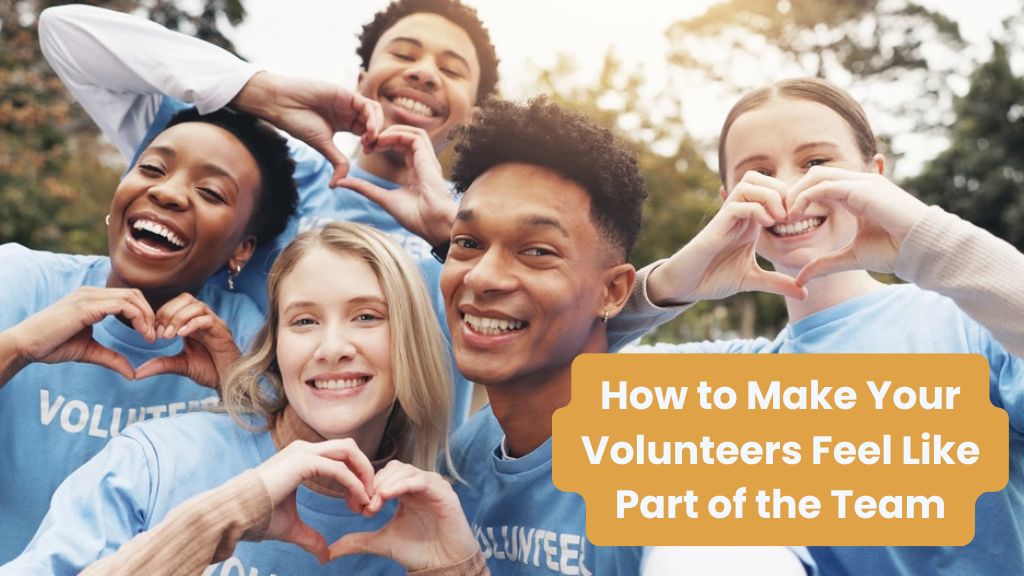
- Build a group identity: You might establish this identity by giving your team a name, creating a group chat, or setting up a small kickoff ritual. You could also make custom shirts for your volunteers to wear throughout the campaign, since matching gear helps everyone feel like part of a cohesive team.
- How progress will be shared: Tell volunteers where and how often you’ll share updates.
- One first step: Give everyone a small, immediate task, like confirming their first shift or sharing the campaign page with a friend, to build momentum.
- A way in for people who can't attend: Record a virtual session or send a short recap so nobody feels left out.
Aim to keep the kickoff to about half an hour and end on the first task rather than a long speech. Volunteers will remember how the meeting felt more than every detail, so send them off with energy and a clear next step.
During the Campaign: Share Progress as You Go
Volunteers stay motivated when they can see what their work is adding up to. If you wait until the campaign ends to share results, they may spend the whole campaign unsure whether their effort is making an impact.
Here's what to share and when:
- Progress toward the goal: Send a short update on the same day each week, such as every Monday morning, along with an extra note when the team passes a big milestone like the halfway point. This predictable cadence means volunteers know when to look.
- Early wins: Celebrate the first milestone the same day it happens, ideally within the campaign's first week (e.g., every kickoff-week shift was filled or the first donations started coming in). Celebrating these early wins builds momentum for volunteers who are still deciding how much to pitch in.
- Shout-outs in the moment: Within a day of the action, name specific people and what they did for the campaign in your group chat. Acknowledging that someone picked up three extra shifts this week will provide more encouragement than a general thanks and inspire the other volunteers.
- Behind-the-scenes updates: Share a photo, quote, or short story from the field after each shift or event day, and lean on these around the campaign's midpoint when energy may dip.
Progress updates are most effective when the numbers in them are up to date and easy for your team to gather. If your volunteer management software already tracks shifts and hours, pull your weekly numbers straight from it to save time and keep every update accurate.
After the Campaign: Close the Loop
Once the campaign wraps, share the results your volunteers achieved while it's still fresh (e.g., the total raised, hours given, people served, or whether the goal was met). Thank them for helping with this campaign specifically.
Then, ask for feedback about what worked and what they’d change about the process. eCardWidget's volunteer retention guide recommends following up later by sharing the changes you make based on that feedback, so volunteers know you're listening.
Closing the loop after the campaign ends is key to securing volunteer sign-ups for future campaigns. Volunteers who see results and feel heard tend to be more willing to come back, and they often bring ideas of their own. Get a jump on engaging them in your next campaign by inviting your team leads to help brainstorm the next push. For example, you might share a preview of the design you're working on for an upcoming t-shirt fundraiser and ask for their opinions and ideas.
Building out these strategies the first time can mean extra work for your team, but you'll come away with a framework you can rely on for every subsequent campaign. Each campaign that ends well also makes the next one easier to launch, and over time, that rhythm can turn a disjointed group of past helpers into a united team that looks forward to your next invitation.

Joe is the Director of Growth Marketing at Bonfire, a platform that helps nonprofits, schools, creators, and individuals to raise funds through custom apparel. With eight years of experience in custom merchandise and fundraising, he’s passionate about creating merch strategies that build community, amplify causes, and turn supporters into lifelong advocates. His favorite shirt color is Kelly Green, and he prefers hoodies over crewneck sweatshirts.