

%20(1).jpg)
Volunteers want to join causes where they know their efforts will make a difference. For nonprofits, this means two things: your mission must resonate with your volunteers, and your volunteer program must feel impactful. If supporters feel like they’re not a real part of your team or their efforts are little more than busywork, they’ll likely not be volunteers for long.
Prevent this situation by creating a meaningful volunteer program, where participants know they are a key part of your organization. To help your nonprofit’s HR team and other volunteer managers create a stronger volunteer program, we’ll go over strategies for making your volunteers feel included.
Structured Onboarding and Training
Many of the same strategies that help your organization recruit and retain employees also work for volunteers. In particular, providing volunteers with training and professional development will help them feel supported in their work and motivate them to stick with your organization long-term.
Start your volunteer program off on the right foot by:
- Providing a volunteer handbook. Onboarding will provide volunteers with a lot of information in a short time span. Ensure your volunteers can refer back to key details about their roles by providing a volunteer handbook. This document should include basic information about what is expected of volunteers, as well as an overview of each role and who to contact if they have any questions.
- Offering new skills development opportunities. Many volunteers join nonprofits to improve their resumes and gain experience in a professional work environment. Give volunteers the opportunity to develop hard skills related to their specific tasks, as well as soft skills like communication, teamwork, and problem-solving.
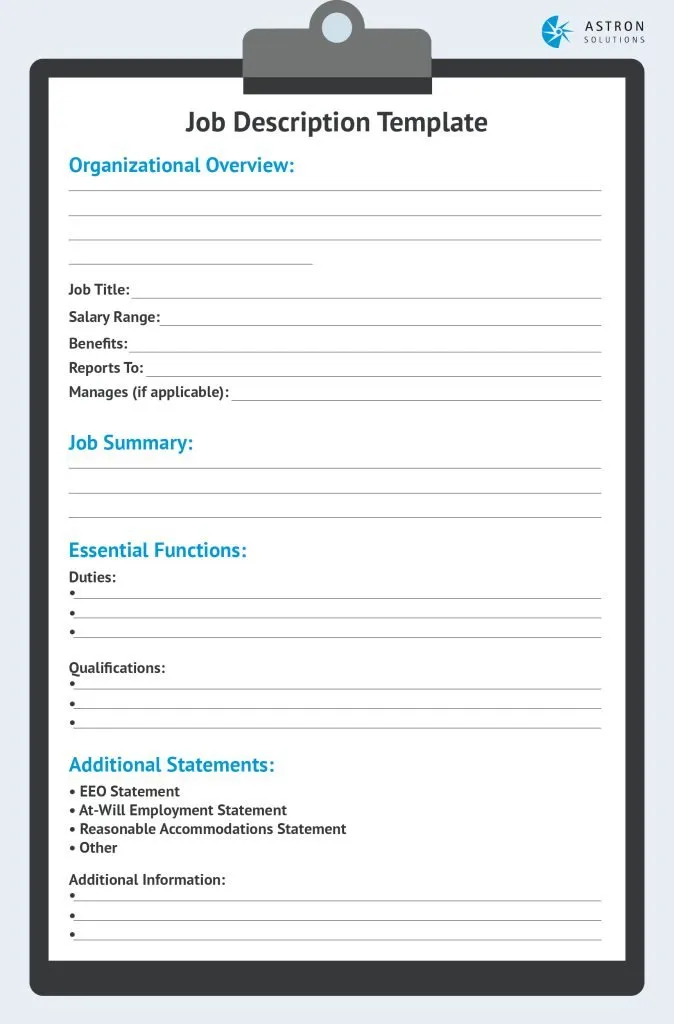
- Creating detailed job descriptions. Create formal job descriptions for your volunteers just like you would for a paid position. This provides volunteers with an outline of what they can expect and lets them self-select for roles that fit their skill sets. Astron Solutions; guide to job descriptions provides a template that nonprofits can adjust to fit their volunteer roles:
Above all, your recruitment and onboarding processes should feel professional. While you may not have a formal employment contract with volunteers, the early stages of your volunteer program should still emphasize your commitment to building genuine working relationships with your volunteers.
Professional Management
Volunteers should be treated with the same professionalism that you show the rest of your staff. Formalize your volunteer program by:
- Training your volunteer managers. A helpful volunteer manager can make all the difference in whether a supporter has a positive volunteer experience. Train your volunteer managers to lead teams, communicate with others, teach core roles, and perform any other responsibilities related to your specific program.
- Implementing communication best practices. Open communication is essential for scheduling volunteer shifts, solidifying expectations, and coordinating volunteer teams. Create structured processes for how volunteer managers and volunteers will keep in touch throughout their time with your organization.
- Leveraging management software. Volunteer management software can help you keep your program organized. Look for solutions that include core features like volunteer profiles, recruitment tools, scheduling calendars, and reporting functionalities.
Additionally, structured volunteer management practices make running your program easier on your staff. When there are formal processes for overseeing your volunteers, you remove the need for guesswork and ad hoc solutions, reducing both the mental and administrative burden on your team.
Teambuilding Opportunities
Volunteers will feel like a part of your team when they can regularly interact with the rest of your team. Provide plenty of opportunities for staff and volunteers to intermingle, like:
- Mentorships. For more complex roles, have your volunteers shadow key members of your staff. This gives them the ability to learn their day-to-day tasks in detail and form professional relationships with your staff.
- Team meetings. When your nonprofit has a team meeting, ensure volunteers in relevant positions are present. This provides them the same level of respect you show the rest of your team, gives them the chance to ask questions in the moment, and saves you the effort of relaying information to them later.
- Casual outings. Employees feel motivated when they have strong relationships with their co-workers. Help your volunteers form these social bonds by planning casual get-togethers between volunteers and staff, such as team lunches or post-campaign wrap-up parties.
Ahead of recruiting new volunteers, ensure your staff is prepped on how to engage with them. Make it clear that volunteers are a core part of your organization and should be treated with the same respect and courtesy that they would extend to co-workers they see every day. Setting these expectations helps establish a professional work environment and prevents any potential divides between paid staff and volunteers.
Appreciation
A simple thank-you can go a long way toward making volunteers feel like a part of the team. When volunteers know their efforts are seen and appreciated, you’re more likely to engage and retain them long-term.
Fundraising Letter’s guide to volunteer appreciation suggests a few strategies for all nonprofits:
- eCards. eCards are electronic greeting cards that elevate your appreciation efforts over simple emails. Create fun card designs and have volunteer managers write personal messages to each recipient.
- Thank-you letters. A heartfelt thank-you letter is an opportunity to spell out exactly what a volunteer’s support means to your nonprofit. Draft a thank-you letter template with plenty of space to fill in specific, personalized details about each supporter.
- Thank-you videos. Instead of writing a letter, film a short personalized video thanking the volunteer for their contributions. If possible, have the volunteers’ supervisor record the video so it is presented by someone they know personally and can speak genuinely about their efforts.
Volunteer appreciation is strongest when it’s personalized, and volunteers know exactly what they’re being thanked for. In your messages, explain how the specific volunteers’ contributions helped your mission to demonstrate their impact and reinforce the behaviors you want to continue to see from them.
Volunteers are a part of your nonprofit’s team, and you can make them feel like it by creating a structured, professional volunteer program. Get started by assessing and formalizing your volunteer management strategies, and also consider investing in volunteer management solutions.

Jennifer C. Loftus is a Founding Partner of and National Director for Astron Solutions, a compensation consulting firm. Jennifer has 23 years of experience garnered at organizations including the Hay Group, Parsons Brinckerhoff, Eagle Electric Manufacturing Company, and Harcourt General.
Jennifer has held volunteer leadership roles with SHRM, New York City SHRM, and WorldatWork. She serves as a subject matter expert to the SHRM Learning System and as a SHRM instructor. Jennifer is a sought-after speaker for local & national conferences and media outlets.
Jennifer has an MBA in Human Resource Management with highest honors from Pace University and a BS in Accounting summa cum laude from Rutgers University.
Jennifer holds Adjunct Professor roles with Pace University, Long Island University, and LIM College.
Jennifer received the 2014 Gotham Comedy Foundation’s Lifetime Ambassador of Laughter Award.
%20(2).webp)
.png)
.png)