

.png)
National Volunteer Month offers a moment to reflect on how people show up for their communities, not just through donations, but through time, skills, and shared effort.
When giving is relational rather than transactional, volunteering often follows naturally. That is where Giving Circles stand out.
A Giving Circle is a group of individuals who pool their money, learn about nonprofits together, and collectively decide where to give. Because members are already engaged in learning, discussion, and shared decision-making, they are primed for deeper involvement. Volunteer engagement is rarely a separate initiative. It is a natural extension of how Giving Circles already operate.
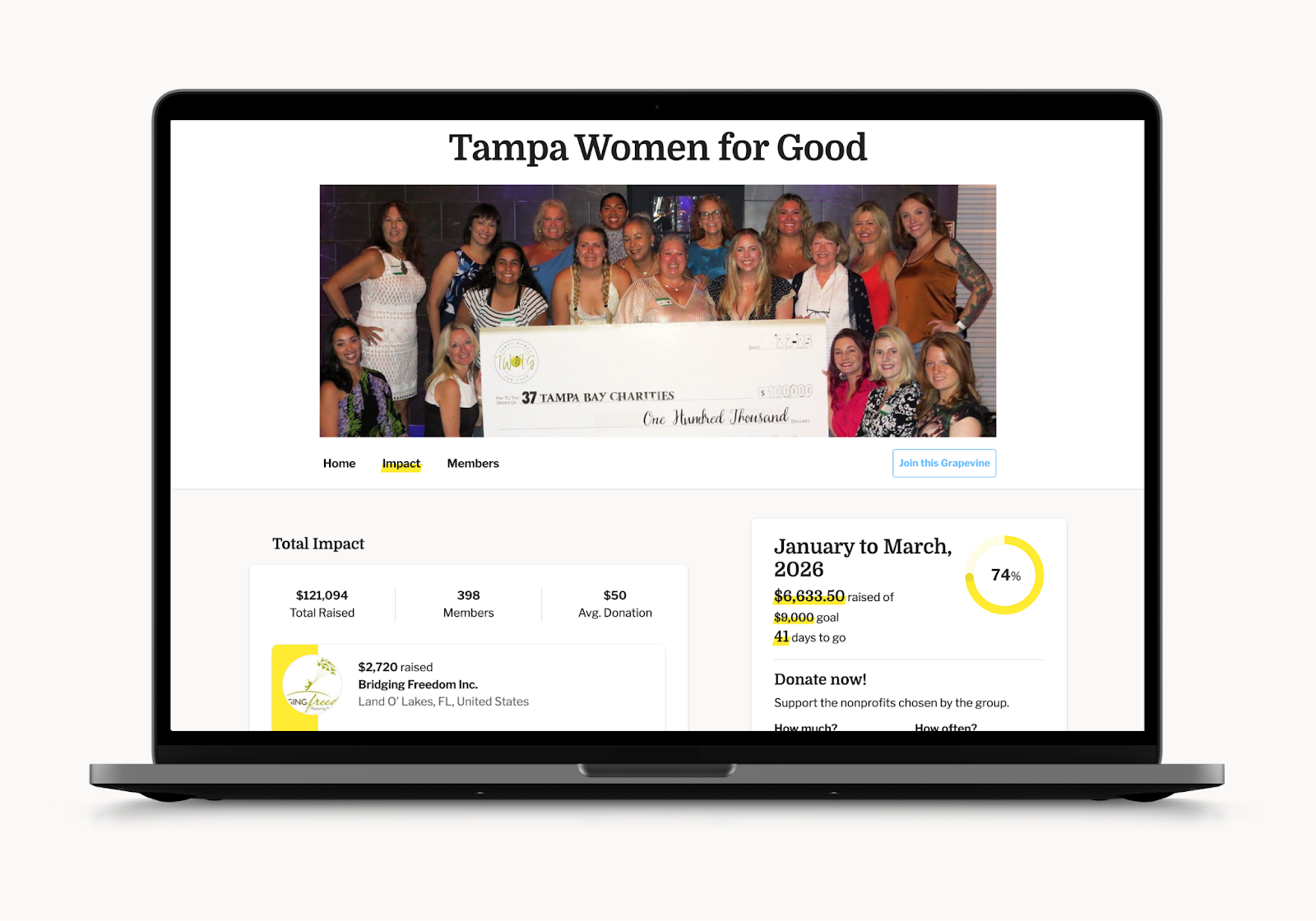
Many Giving Circles use platforms like Grapevine to manage members and run grant cycles, often centered around a live granting event. That shared decision-making builds understanding and emotional investment that carries beyond the grant itself.
How granting events create a pathway to volunteering
During a granting event, members learn about a small group of nonprofits, either through direct presentations or peer advocacy. The process surfaces real community needs and provides context around each organization’s mission and challenges.
By the time a grant is awarded, members have developed awareness, insight into capacity gaps, and a shared sense of responsibility for the outcome. That investment makes volunteering feel like a natural continuation of engagement rather than an additional ask.
As a result, members may volunteer with the funded nonprofit to see their impact in action, support a finalist organization that resonated with them, or offer skills in response to needs surfaced during the event. The granting process builds understanding and connection, which often leads to action beyond dollars.
Why Giving Circles lend themselves to volunteer engagement
The Giving Circle model creates conditions where volunteering feels accessible and meaningful:
- Members are aligned around shared causes
- Nonprofits are familiar, trusted, and introduced through relationship-driven events
- Engagement is rooted in learning and collective decision-making
- Participation beyond giving is encouraged, not required
Volunteering becomes an extension of curiosity and care, not an obligation.
How Giving Circles naturally engage in volunteering
1. Volunteering with a funded nonprofit
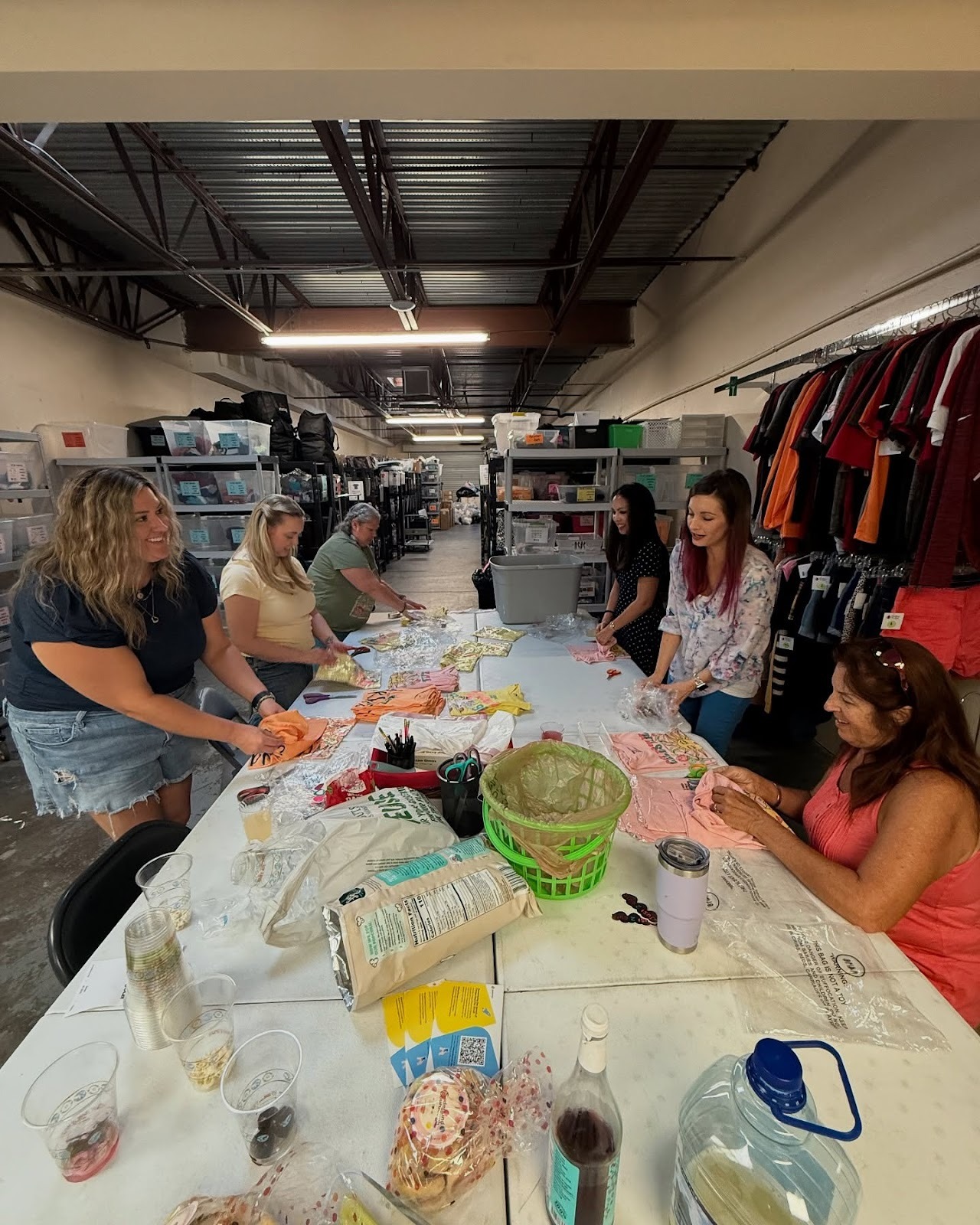
After awarding a grant, members often volunteer with the selected organization to see their collective decision in action. Because they already feel invested in the outcome, volunteering deepens their understanding of the impact beyond dollars. For example, a Giving Circle might schedule a volunteer day with the funded nonprofit to support a specific program or operational need.
2. Volunteering with a finalist nonprofit
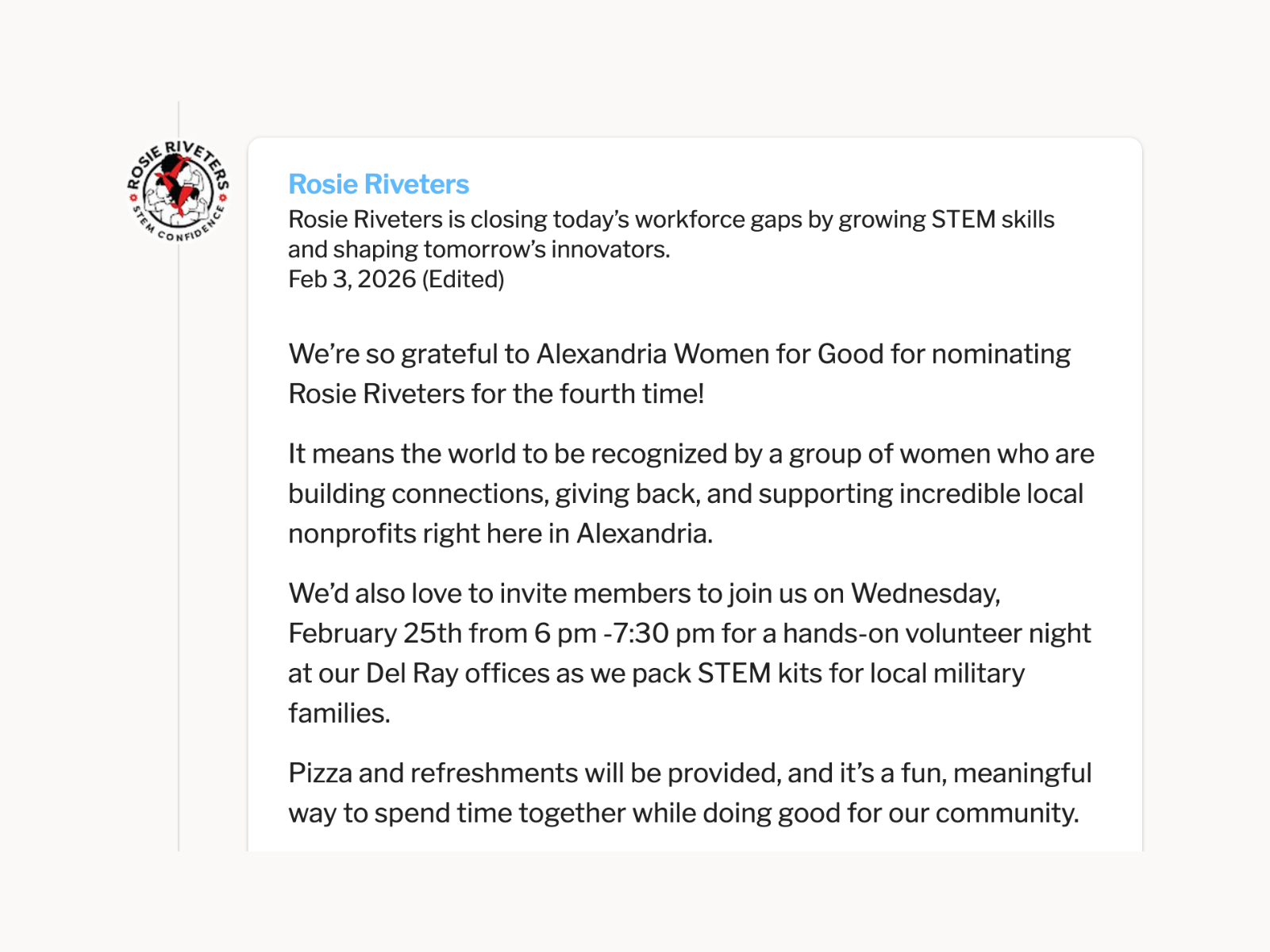
Granting events surface multiple compelling organizations. Even when funding goes to one nonprofit, others often resonate with members who want to stay involved. A participant might volunteer with a finalist whose mission aligned closely with their interests after learning about the organization during the grant pitch.
3. Skills-based volunteering
Presentations frequently highlight capacity gaps or operational challenges. Seeing where expertise is needed makes it easier for members to offer professional skills in response. After hearing about communication challenges, for instance, members might help refine website copy or draft donor outreach materials.
4. Member-led volunteer initiatives
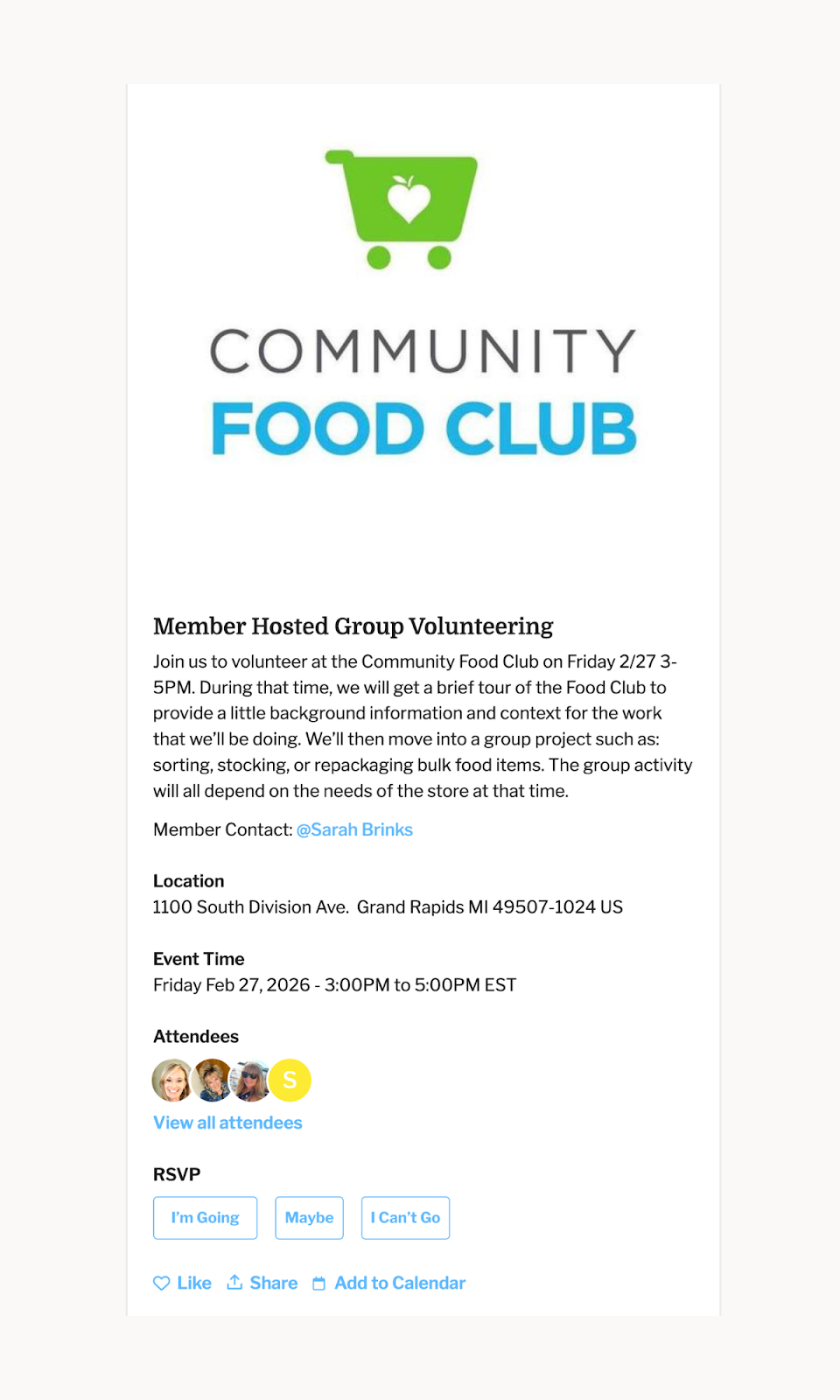
The Giving Circle model encourages shared ownership, which often extends to volunteering. Inspired by what they learn, members may organize service opportunities themselves. One member might coordinate a volunteer day with a nonprofit introduced during the grant cycle and invite the Giving Circle to participate.
How volunteer coordinators can activate Giving Circles (even if you don’t work with one yet)
If you already partner with a Giving Circle, the next step is simple: identify one clear, meaningful volunteer opportunity and invite the circle to participate after a grant cycle.
If you do not yet work with a Giving Circle, you can take proactive steps by:
1. Identifying Local Giving Circles in Your Community
Many Giving Circles operate locally or regionally and are often looking for deeper ways to engage beyond grantmaking. Platforms like Grapevine make it easy to discover Giving Circles aligned with your cause area or geography. Some nonprofits also explore launching their own nonprofit-led Giving Circle as a way to build ongoing community engagement, an approach outlined in guides like How to Start Your Nonprofit-Led Giving Circle.
2. Offer a Clear, Ready-to-Go Volunteer Opportunity
Giving Circles respond well to structured engagement. Instead of a broad “let us know if you'd like to volunteer,” propose one defined opportunity:
- A one-day service project
- A behind-the-scenes tour with hands-on support
- A skills-based mini project
Clarity lowers the barrier to participation.
3. Connect the Opportunity to Shared Impact
When inviting a Giving Circle to volunteer, connect the opportunity to the impact they want to create together. If they’ve funded your work, frame it as a way to see their collective decision in action. If you haven’t partnered before, position it as a way to build alignment and explore shared impact. In either case, focus on shared values and tangible outcomes so participation feels purposeful and collaborative.
4. Make It Easy for a Giving Circle Leader to Say Yes
Giving Circle leaders are often volunteers themselves. Provide:
- A short description they can copy and paste to members
- A specific date or date range
- Clear expectations and time commitment
The easier you make it to share, the more likely the opportunity reaches the full group.
How nonprofits can make it easy for Giving Circles to volunteer
Whether you already receive funding from a Giving Circle or are hoping to build a relationship with one, the key is simple: create one clear bridge from grantmaking to volunteering.
Start by identifying one meaningful opportunity tied to your mission, define the scope and time commitment, and provide Giving Circle leaders with ready-to-share language to make participation simple.
Tools like Civic Champs can help coordinate and track participation, while platforms like Grapevine support Giving Circles in organizing their collective engagement. With clear structure and supportive tools in place, volunteer participation becomes more straightforward to activate and manage.
Marketing Manager at Grapevine
.jpg)
.png)
.png)