

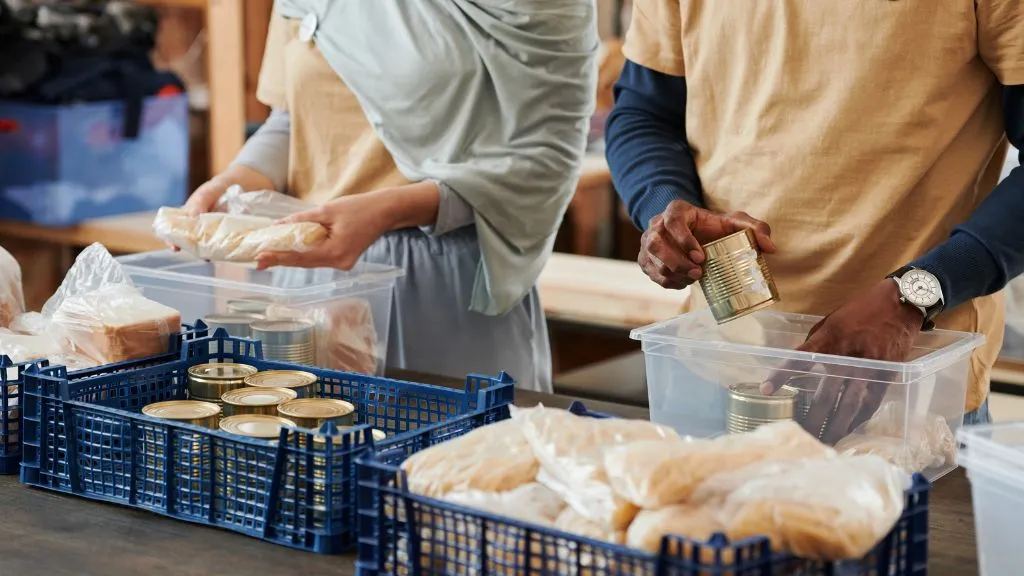
Nonprofits frequently face high volunteer drop-off rates, watching applicants vanish before even completing their first shift. A welcoming and thoughtful onboarding experience is the key to engaging volunteers and making them want to stay.
Welcoming and supporting volunteers right from the start reassures them that they are joining a community where they will be valued and set up for success.
This article explores tips for creating an effective volunteer onboarding experience.
Tailor Pathways for Short-Term and Long-Term Roles
Before you begin onboarding, make sure that your engagement strategy is appropriate for the volunteer's commitment level. Treating a one-time volunteer the same as a volunteer becoming an ongoing committee member leads to either information overload or insufficient qualifications to handle specific tasks.
To help you segment your volunteer strategy, consider these two pathways:
- Short-term pathways: Focus on getting them up and running quickly through 10-minute on-site briefings, QR-code mobile check-in stations, and assigned event-day captains.
- Long-term pathways: These volunteers will be on your team for multiple events. Instead of basic training and onboarding, focus on mission integration and personal growth by implementing multi-stage orientations, pairing them with a staff mentor, and inviting them to join internal volunteer communication channels. This approach prepares long-term volunteers for committee leadership and skill-based ownership roles.
To determine which pathway best fits each applicant, include a simple, single-question screening field during initial registration asking about their availability and interest. This allows you to automatically route brief-commitment helpers straight to fast-track event logistics while directing prospective core team members into your deeper leadership pipeline.
Prepare for Pre-Arrival
First impressions begin long before a volunteer logs into their first shift. Ease first-day anxiety and prevent eager supporters from disengaging during the waiting period by providing:
- Pre-arrival info packs: Provide all volunteers with essential logistical details in advance, including directions, parking guides, dress codes, and expectations for their shift.
- Welcome kits: For long-term volunteers, share an additional welcome kit that includes an introduction to organizational values, staff bios, and a roadmap of what their first month will look like.
- Clear contact pathways: Ensure volunteers have a single, direct line of communication for questions before day one by sending them contact details for their point of contact a week in advance.
Proactive pre-arrival preparation transforms idle waiting time into positive anticipation, setting a great first impression for the entire volunteer relationship.
Define Roles and Clear Expectations
Ambiguity is the enemy of volunteer retention. To feel valued and effective, volunteers need total clarity about their tasks, responsibilities, and how their contributions directly advance the organization's core mission.
Ensure that all volunteers are aligned on the following information:
- Job descriptions: Replace broad calls for general help with specific, structured descriptions (e.g., "Registration Desk Lead" vs. "Event Support") and clearly define expectations for the role.
- Volunteer shifts: Ensure all volunteers know the exact days and times they are expected to come in, so enough volunteers are present for specific tasks.
- Connecting action to impact: Clearly articulate how each task, no matter how small, contributes to broader organizational outcomes. For example, instead of simply asking volunteers to set up chairs, explain that creating an organized, comfortable space helps attendees focus fully on the evening's educational workshop.
- Success criteria: Communicate what an effective shift looks like on day one so volunteers feel confident in their work. For instance, it may be processing 50 registrations an hour, keeping all water stations continuously stocked, or packing 100 boxes by noon.
Leverage Tailored Volunteer Technology
Managing administrative paperwork manually drains valuable staff capacity and slows down intake. Modern software allows nonprofits to automate tedious background processes while offering accessible online orientation options.
Here are some technology-enabled processes you can implement to streamline your volunteer operations:
- Automated intake and vetting: Use a volunteer management system (VMS) to digitize registration forms, liability waivers, and background checks.
- Asynchronous online orientation: Instead of long policy lectures, make interactive video snippets or micro-learning modules that volunteers complete on their phones prior to arrival.
- Automated communication workflows: With AI tools, you can automate SMS and email triggers for shift reminders, weather updates, venue maps, and post-shift confirmations.
- Centralized digital resource hub: Maintain a cloud-based portal containing FAQs, digital handbooks, and instructional videos for quick reference.
Offloading intake logistics to technology empowers staff to spend their time building personal connections with volunteers and gives volunteers more autonomy to complete training on their own time.
Foster Belonging and Culture
Volunteer retention depends heavily on relational connection. Creating a welcoming environment on day one signals to supporters that they are valuable team members rather than transactional labor. Get started by:
- Welcoming them right away: Designate friendly greeters so volunteers are warmly greeted immediately upon arrival.
- Implementing a volunteer buddy system: Pair newcomers with experienced volunteers or staff mentors to answer questions in real time and provide support.
- Creating an inclusive work environment: Provide designated volunteer break spaces, name tags, and access to the same amenities as paid staff.
- Recognizing new members: Build rapport and a supportive environment by acknowledging first-time recruits during team huddles or program announcements and highlighting their contributions.
To create a warmer relationship with volunteers, consider ending one-time volunteer shifts with a photo op or a high-five line to end on an emotional high note. For long-term volunteers, host monthly coffee chats, peer learning sessions, or appreciation dinners to build lasting social bonds.
Provide Ongoing Support and Feedback Loops
Onboarding doesn’t end when the first shift is over. Continuous support and structured feedback channels close the onboarding loop, ensuring volunteers remain supported throughout their journey. Here’s what long-term support looks like:
- Post-first shift check-in: Reach out within 24–48 hours via automated text or email, asking a simple question: "How was your first day?"
- Milestone pulse checks: Schedule brief 30-day and 90-day check-ins for long-term volunteers to discuss performance, fulfillment, or interest in new projects.
- Feedback surveys: Implement 2-minute pulse surveys after major volunteer events to gather actionable data and refine the onboarding process.
- Annual conversations: For long-term volunteers, conduct annual feedback conversations to discuss career/skills alignment, personal growth, and potential transitions into volunteer leadership roles.
- Impact reporting: Follow up with concrete metrics showing the tangible outcomes of their donated time to demonstrate true social impact.
Aside from post-event surveys, also ask for feedback on the volunteers’ overall experience and continuously improve on your operations. You can consider setting up a Dropbox where volunteers can submit feedback or suggestions at any time, providing a low-pressure outlet to share honest insights as soon as ideas strike.
Wrapping Up
Investing in a structured, empathetic onboarding process ultimately reduces turnover costs, elevates event execution, and secures the dependable support your mission needs to thrive over the long haul. By combining streamlined digital workflows with thoughtful human connection, you can build a resilient volunteer onboarding program that drives long-term mission success.

Lyndal has worked at the intersection of nonprofits and technology for most of her career, building strategic marketing programs and managing data-driven campaigns at the San Francisco AIDS Foundation, Nonprofit Technology Network, InfluxData, and others. She leads Heller’s marketing efforts and is excited to position Team Heller as the partner of choice for nonprofit and education advancement leaders. When not at her desk, Lyndal is usually on a hiking trail or listening to a podcast about star stuff.


.png)